Competitive
Analysis
To understand the market, I reviewed several popular habit tracking applications. The goal was to identify common features, strengths, and usability gaps.
| App | Target Audience | Strength | Weakness | Simple UI | Reminders | AI | Motivation |
|---|---|---|---|---|---|---|---|
Habitica
|
Gamification users, gamers | Highly engaging, gamified experience | Complex, overwhelming UI | ✕ | ✓ | ✕ | ✓ |
Habitify
|
Minimalists, productivity users | Clean UI, strong analytics | Lacks motivation features | ✓ | ✓ | ✕ | ✕ |
Streaks
|
iOS users, simple trackers | Very simple, fast to use | Limited features, iOS only | ✓ | ✓ | ✕ | ✕ |
Productive
|
General users, professionals | Balanced features, good UX | Cluttered, some paywall features | ✕ | ✓ | ✕ | ✕ |
|
DL
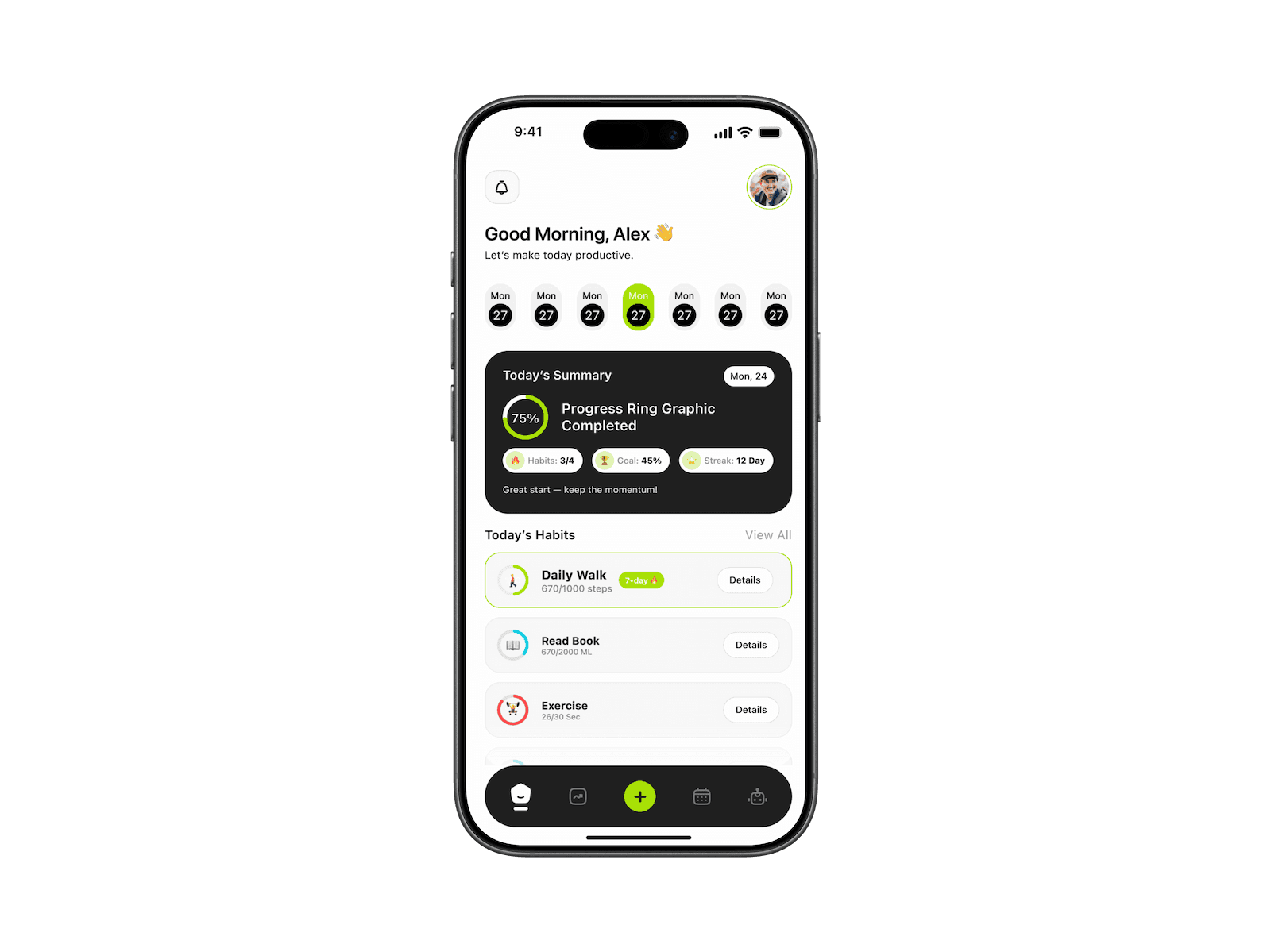
DailyLoop ↗
|
Students, professionals, goal-driven | Simple + motivating + AI-powered | New entrant — establishing trust | ✓ | ✓ | ✓ | ✓ |
Users Forget To Track
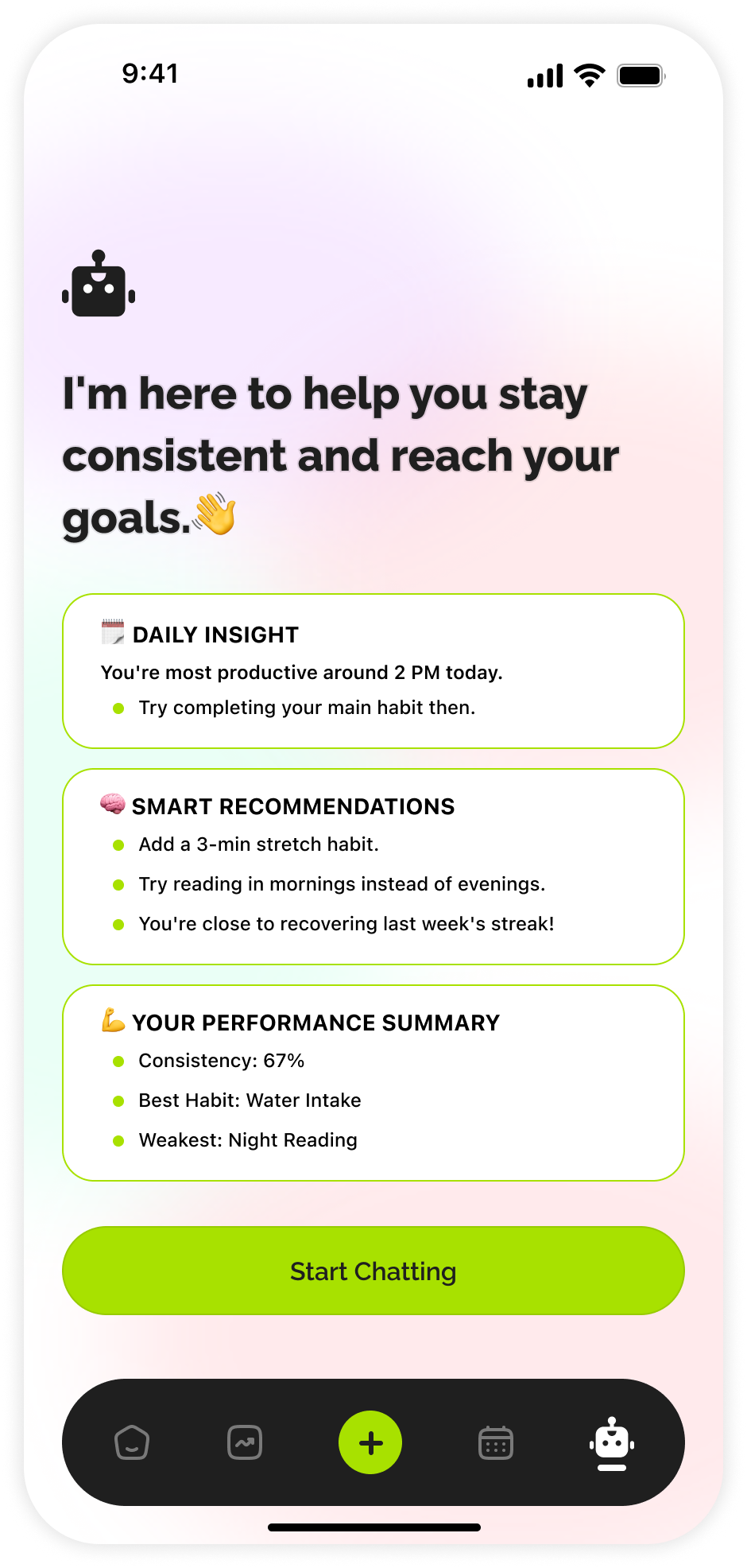
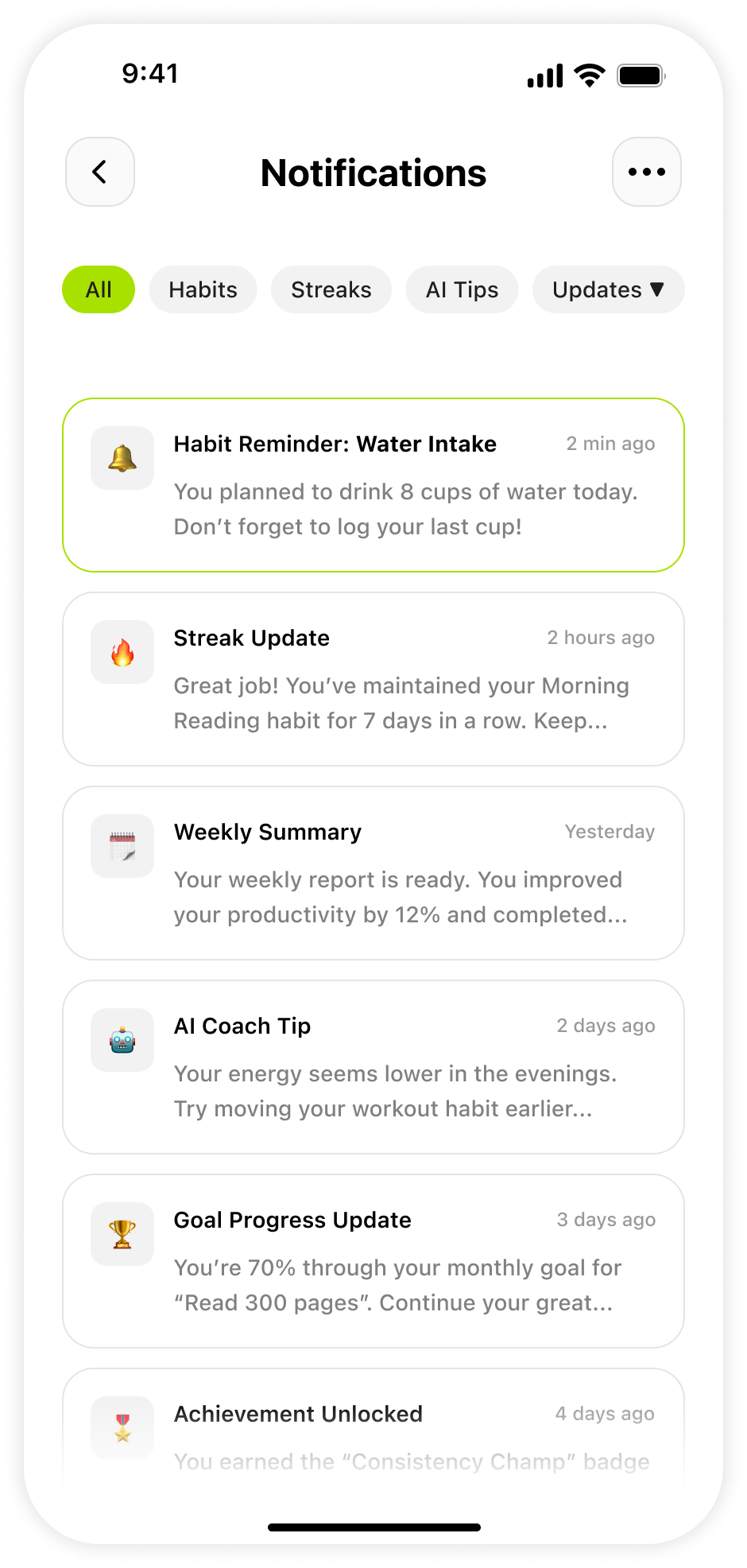
Many people start habits with motivation but forget to log them daily. Smart, timely reminders are a critical retention feature that most apps underinvest in.
Apps Feel Complicated
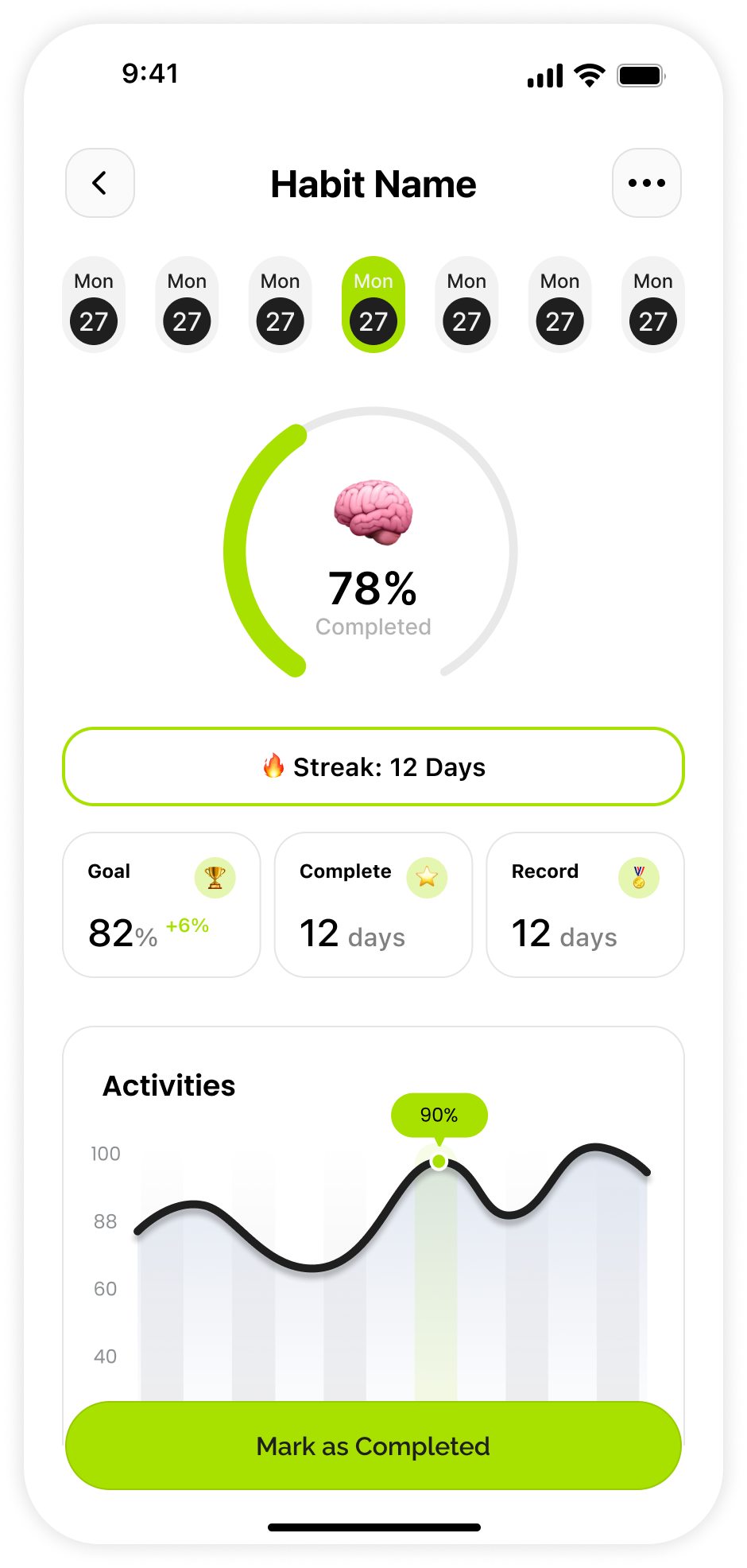
Users prefer a clean and minimal interface that does not require too many steps to log a habit. Complexity is the number one reason people abandon habit trackers.
Motivation Drives Consistency
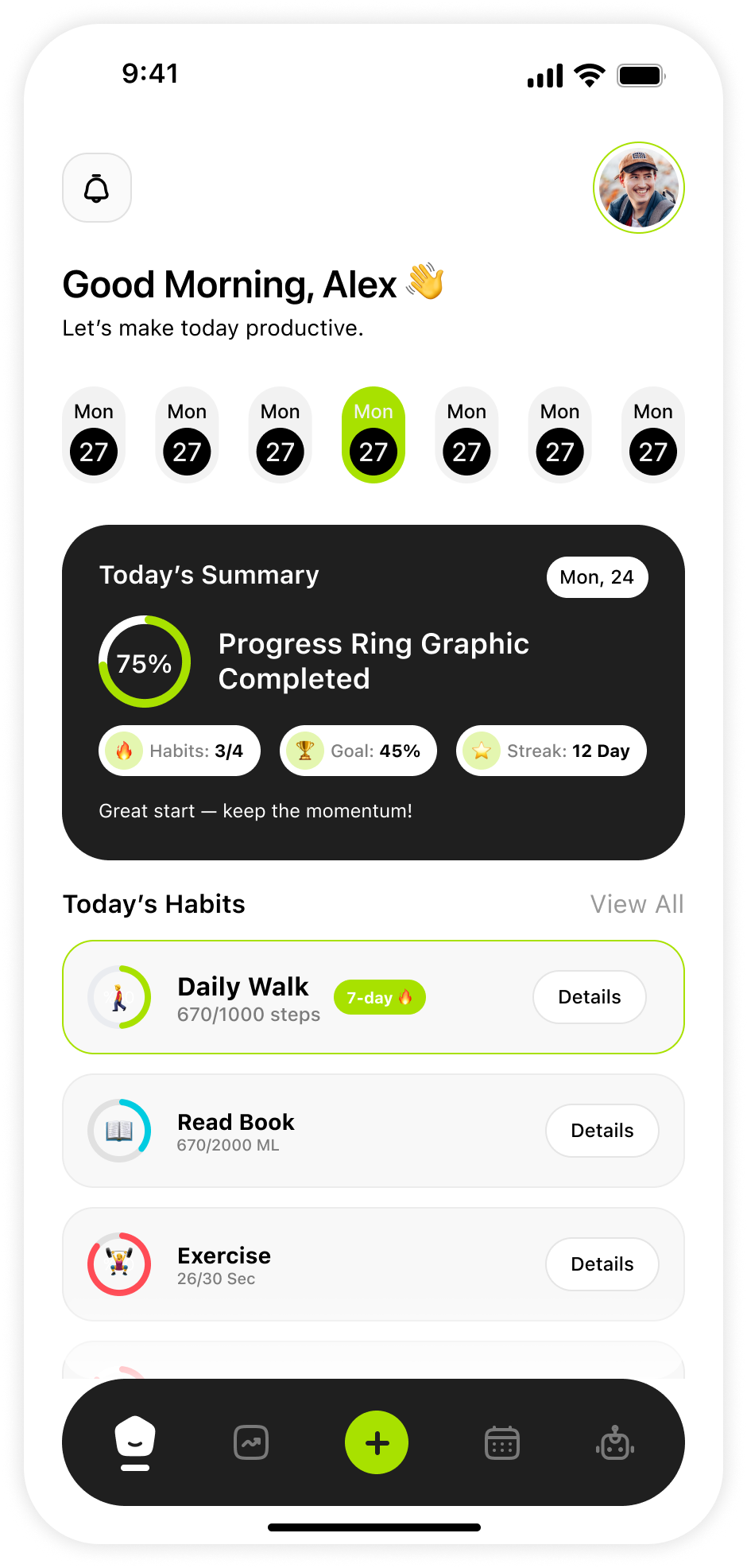
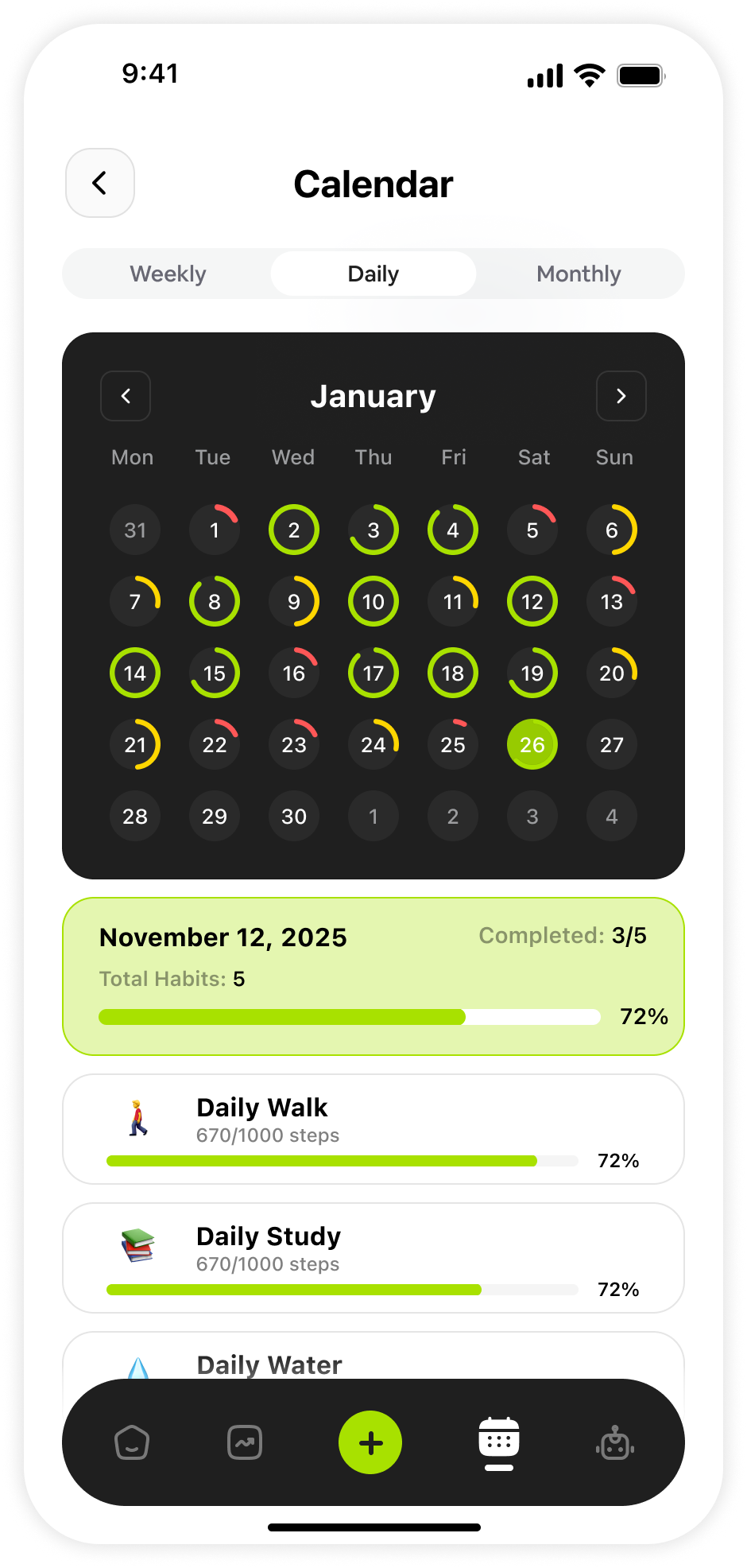
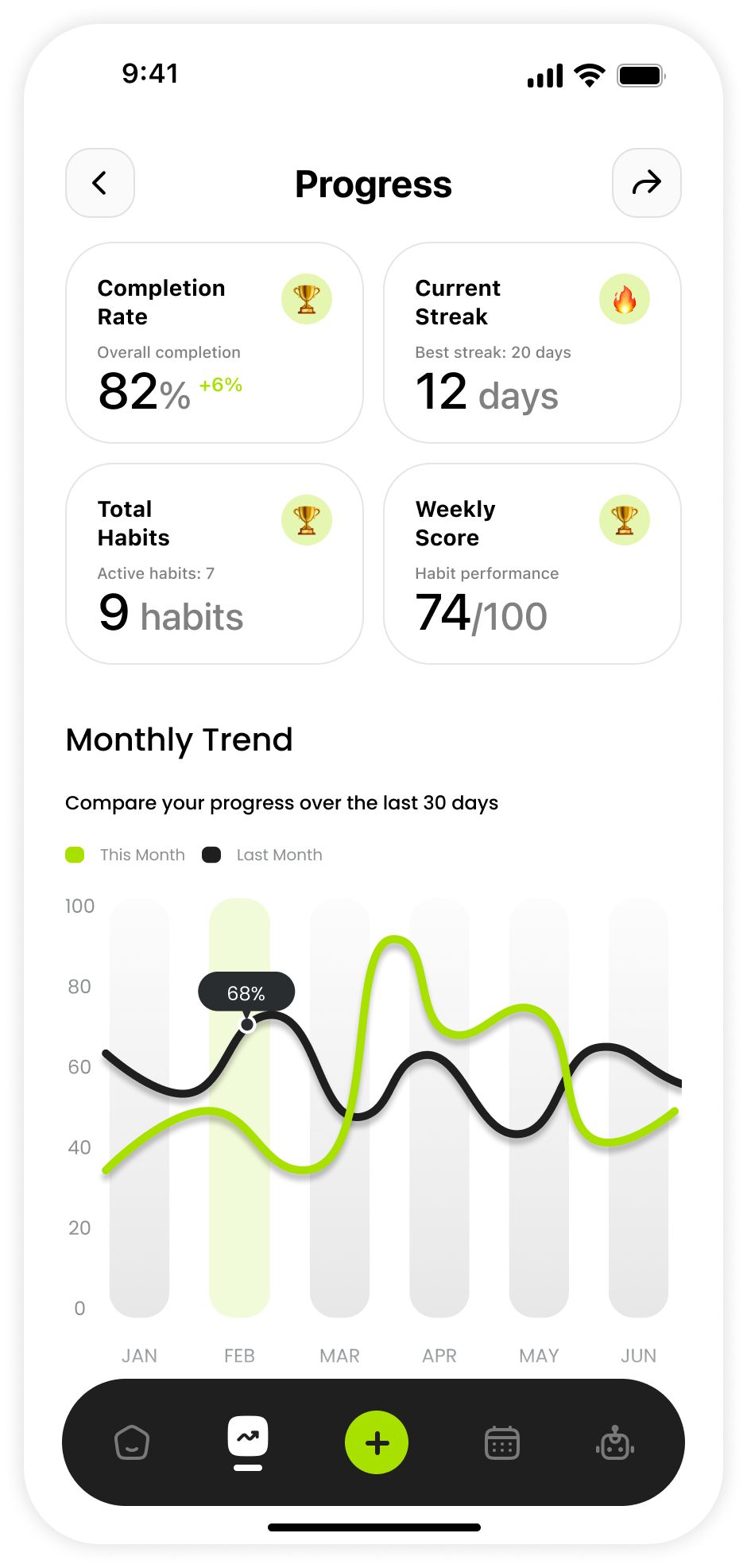
Progress visualization, streak tracking, and motivational reminders measurably help users stay consistent. Visual feedback is not a nice-to-have — it is core.
User Interviews
Key Questions Asked
- What makes it difficult for you to stay consistent with habits?
- Have you used a habit tracker before? What problems did you face?
- What would make a habit tracking app more useful for you?
- How do you currently track your daily progress?
What I Found
- Many users mentioned forgetting to track habits or losing motivation after missing a few days.
- Several users said existing apps felt complicated or required too many steps to log a habit.
- Users wanted simple tracking, reminders, and clear progress visualization to stay motivated.
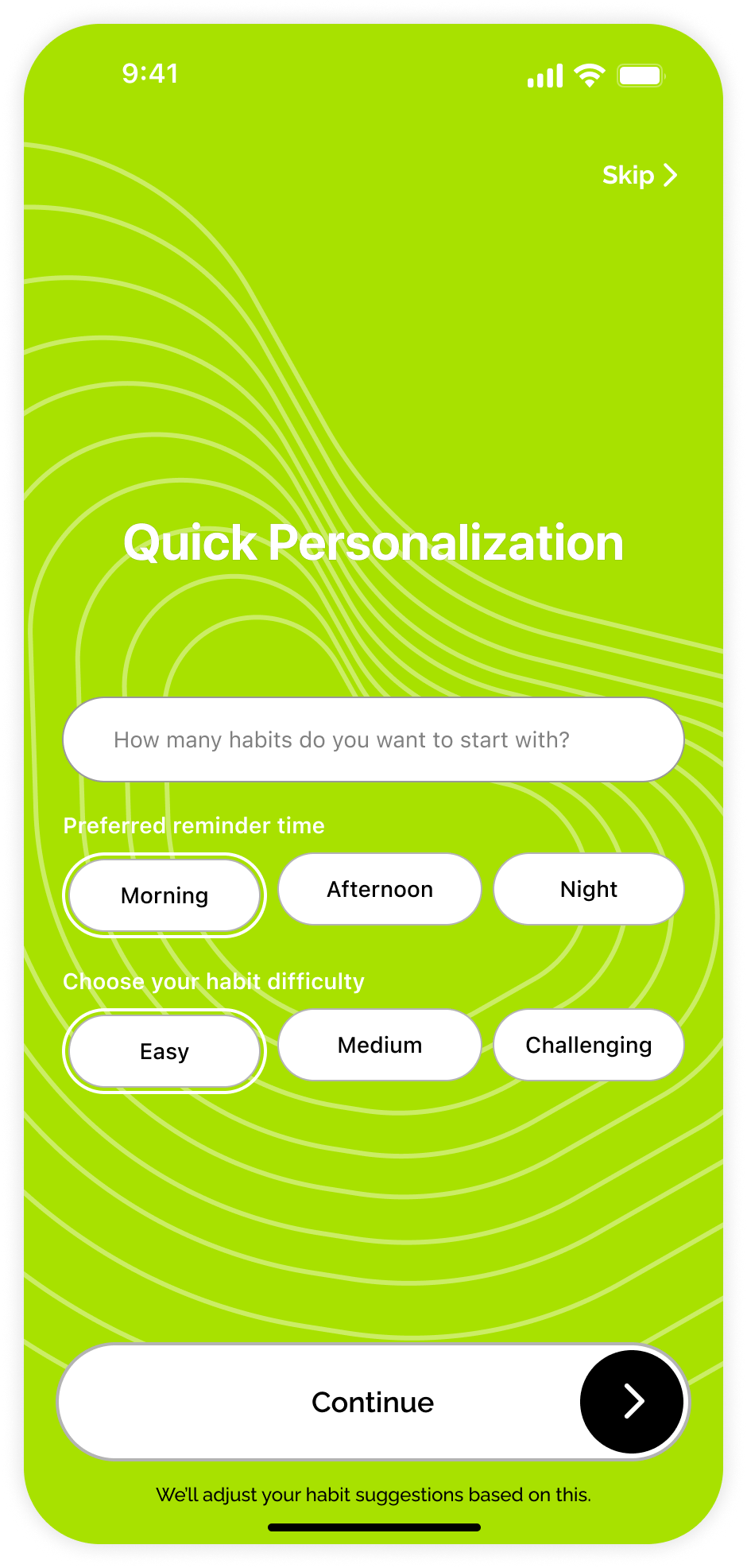
- Personalized onboarding would help users feel the app was built for their goals.

"Alex wants to build better daily routines such as studying regularly and exercising. However, he often forgets to track his habits and struggles to stay consistent over long periods."
- Build a consistent study routine
- Track daily progress easily without complexity
- Stay motivated through streaks and visual progress
- Forgetting to track habits daily
- Complicated productivity apps with too many steps
- Losing motivation after missing a few days

"Sarah wants to maintain healthy habits while managing a busy work schedule. She needs a simple solution that reminds her about habits and helps her track progress quickly."
- Maintain a healthy lifestyle despite a packed schedule
- Track habits quickly with minimal friction
- Receive reminders during her busiest days
- No time to manage complex, multi-step apps
- Losing motivation when progress is unclear or invisible
- Forgetting habits entirely during stressful weeks